Kristian Schuller and the Art of Constructed Wonder
Feb 6, 2026
In an era when photography is often measured by speed, immediacy, and algorithmic visibility, Kristian Schuller works in the opposite direction. His images do not rush. They do not document. They insist on being built.
To encounter a Schuller photograph is to step into a world where gravity feels optional and color behaves less like pigment than emotion. Dresses hover, bodies tilt, sets bloom into improbable architectures. Nothing appears accidental, yet nothing feels static. The images seem to breathe.
Schuller belongs to a lineage of image-makers for whom photography is not a neutral recording device but a theatrical space—closer to opera than reportage. Born in Romania and educated in Germany, he studied fashion design under Vivienne Westwood before turning fully to photography. That early immersion in fashion as concept rather than commodity left a lasting mark. In Schuller’s work, clothing is never simply worn; it performs.

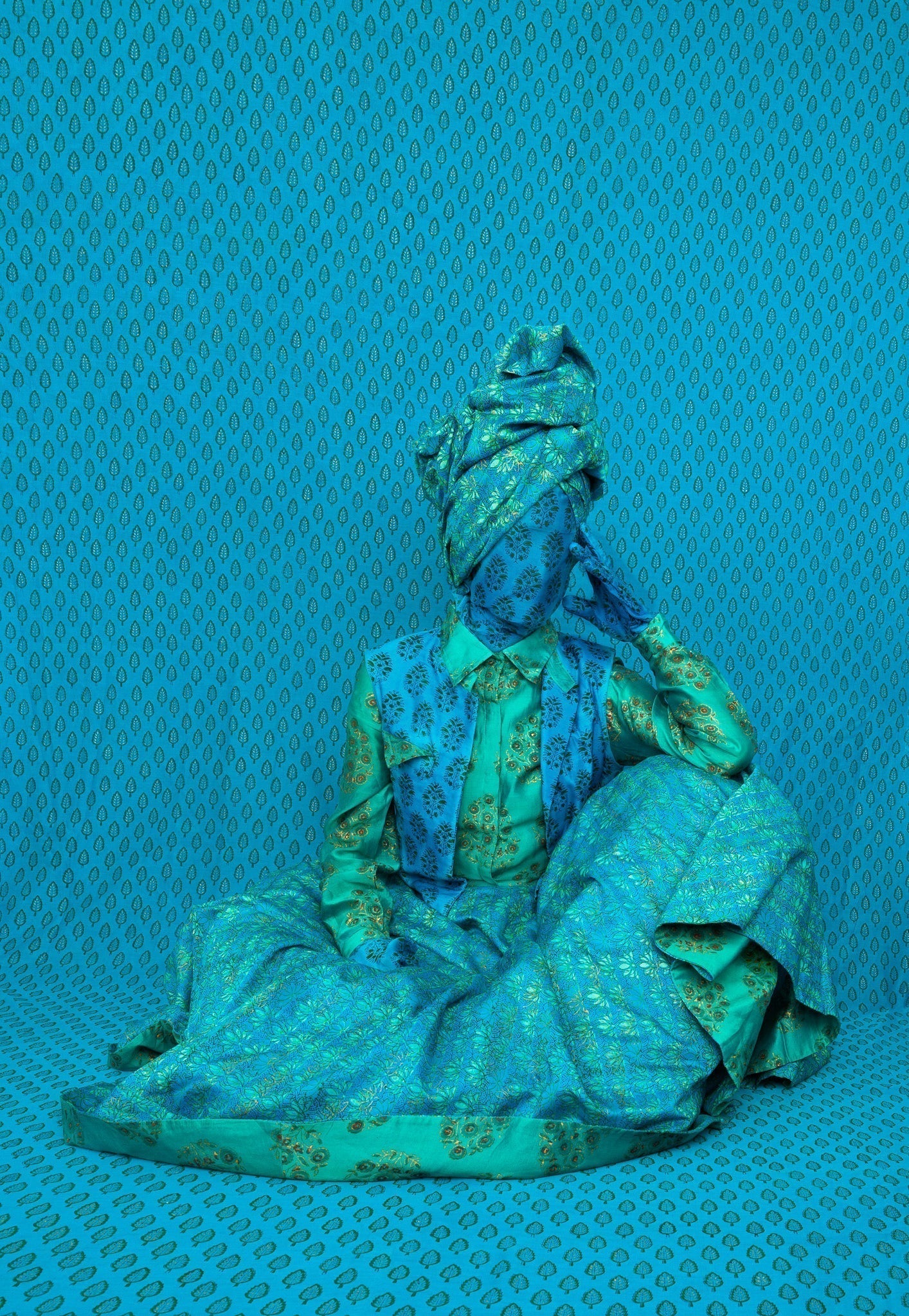
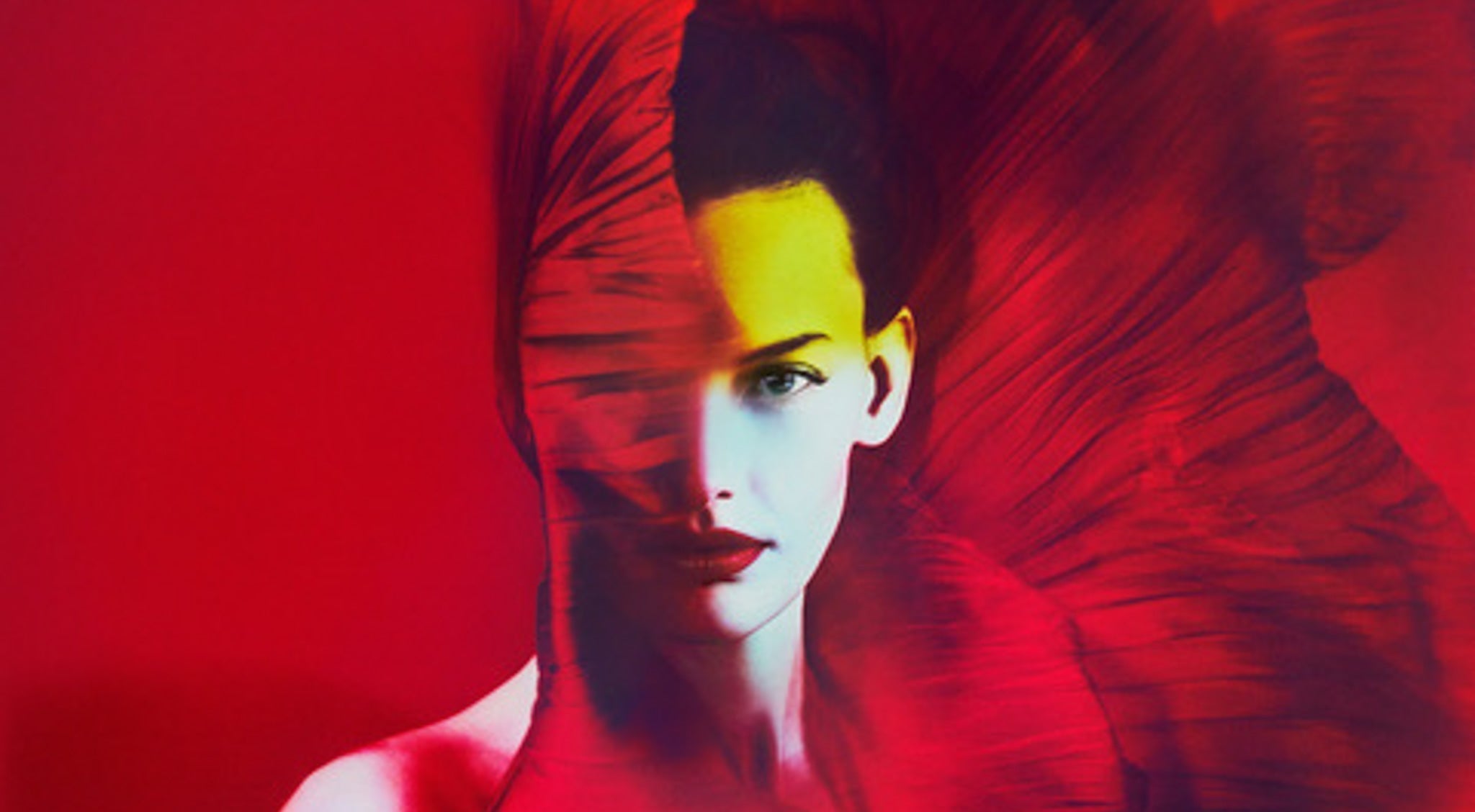
Color is the first thing most viewers notice. Saturated reds, impossible blues, chromatic collisions that would overwhelm a lesser eye. But in Schuller’s photographs, color is not ornamental. It is structural. It organizes the image the way rhythm organizes music—guiding the eye, setting tempo, shaping emotion. His use of color owes as much to painting and stage design as it does to photography. One senses echoes of Surrealism, of Bauhaus theatricality, of mid-century fashion photography where elegance and experimentation coexisted without apology.
What distinguishes Schuller is not excess, but control. Behind the apparent fantasy lies an almost architectural discipline. Sets are carefully engineered. Poses are rehearsed. Light is sculpted, not found. In a cultural moment that prizes authenticity as rawness, Schuller proposes a different idea: that authenticity can also be constructed, imagined, composed.
This approach places him at an interesting distance from contemporary fashion imagery, which increasingly favors spontaneity and imperfection. Schuller’s photographs do not pretend to be casual. They are unapologetically artificial—and therein lies their honesty. They do not claim to show the world as it is. They offer instead a world as it could be: heightened, emotional, and resolutely visual.
There is also humor in his work, often overlooked. A subtle absurdity runs through many images—a model suspended in an unlikely pose, a setting that teeters between glamour and dream logic. This playfulness prevents the work from collapsing into grandiosity. Schuller understands spectacle, but he also understands lightness.
 To exhibit Kristian Schuller today is to stage a quiet argument for photography as an art of imagination. At a time when images are endlessly produced and instantly consumed, his photographs demand duration. They ask the viewer to slow down, to notice how a color leans against another, how a body echoes a line in the set, how fashion becomes narrative rather than surface.
In this sense, Schuller’s work feels almost countercultural. It resists the frictionless flow of images and reasserts photography as an event—something that happens between the image and the viewer, in time.
At House of Photography, his work enters a space designed for exactly this kind of encounter. Not as content, not as backdrop, but as presence. The photographs do not explain themselves. They do not need to. They invite the viewer into a carefully constructed wonder—and trust that imagination will do the rest.